
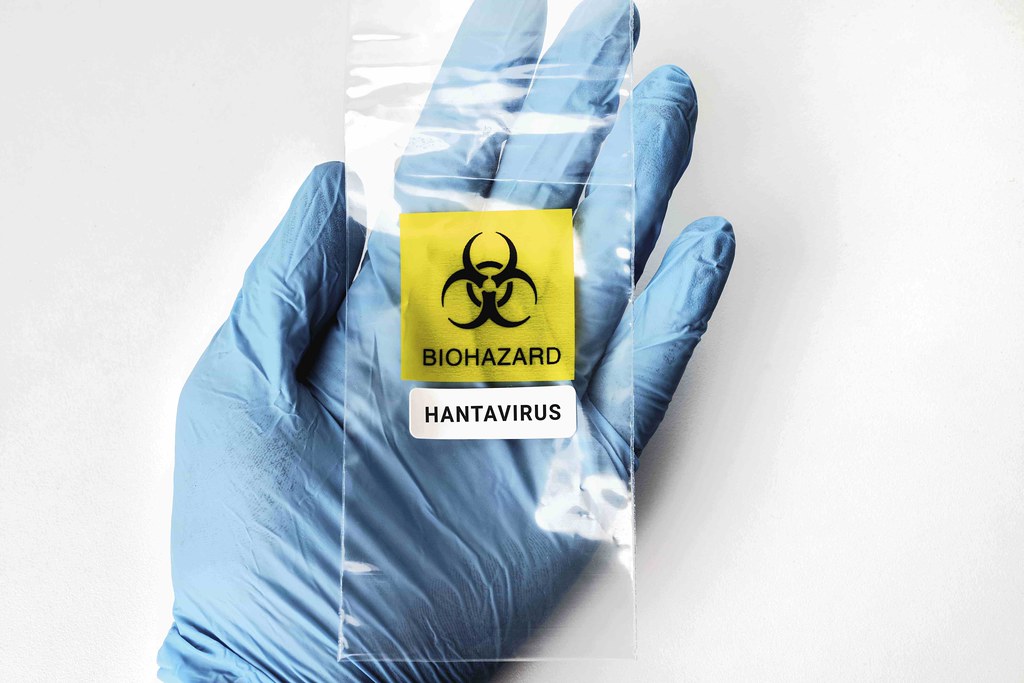
On April 1, the MV Hondius, a Dutch-flagged cruise ship, departed from Ushuaia, Argentina. According to the World Health Organization, the ship departed Ushuaia on April 1, 2026 and traveled through South Atlantic and Antarctic regions. Investigators say that the outbreak began with one passenger who had spent months traveling in Argentina, Chile, and Uruguay before boarding. That passenger developed symptoms on April 6 and died on April 11. Someone else who was a close contact also became infected and died as well.
The original source of this virus is from rodents or rodent droppings. This is how the virus normally spreads. The World Health Organization says investigators are still examining exactly where the exposure occurred. What made this outbreak unusual is that this strain of the Hantavirus known as the Andes Virus is the only version of Hantavirus that has the ability to spread person to person.
Currently, 11 cases have been reported and 9 have been confirmed, 2 have been suspected and 3 people passed away. Health officials in 12 countries, including the US (California, Texas, Arizona, Georgia, Virginia), are monitoring passengers. The fatality rate of this virus is 35-60%, making this outbreak significantly worse than Coronavirus.
Early symptoms of the Andes virus infection include fever, fatigue, muscle aches, headache, and gastrointestinal symptoms such as nausea, vomiting and diarrhea, followed by severe respiratory issues. Many countries have been monitoring this virus, such as Argentina, the Netherlands, Germany, Spain, South Africa, the United Kingdom, Canada, Singapore, Australia, and the United States.
As health officials continue to investigate the outbreak, the public is being encouraged to be informed, but not panic. Travelers and anyone experiencing symptoms such as fever, fatigue, or breathing difficulties should get medical attention immediately. Governments and health organizations around the world are working together to monitor the situation and protect public safety. This outbreak is an important reminder of how fast infectious diseases can spread and why being prepared globally is essential for times like this.