
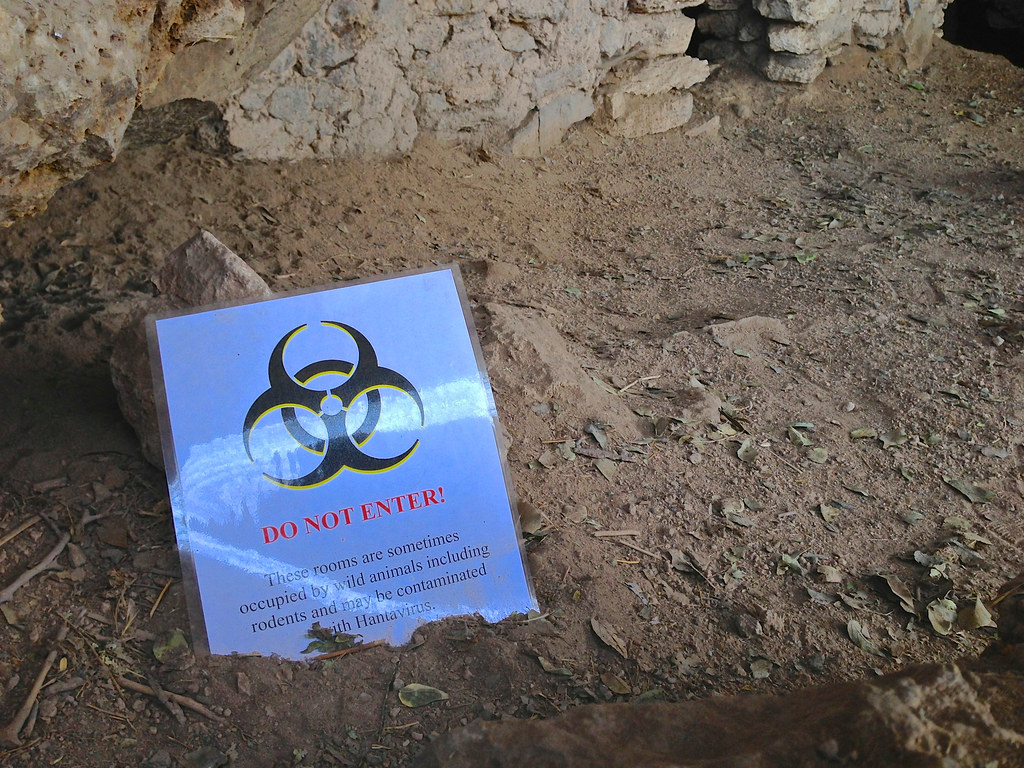
In recent years, the world has moved past a life changing virus that left a scar on our humanity. Many are continuously aware of how infectious diseases can now shape society. Recently, a new outbreak of a virus has brought global attention. Although hantavirus is not currently a worldwide outbreak like COVID, it is important to be aware and take precautions.
Hantavirus refers to a group of virus carriers from rodents. In order to be transmitted, humans usually have to breathe in particles contaminated by rodent urine, saliva, or droppings. Hantavirus Cardiopulmonary Syndrome (HCPS) attacks the lungs and can become fatal fast. Unlike COVID-19 or influenza, hantavirus generally does not spread easily from person to person.
Another major concern is the effect on travel. Even though hantavirus spreads differently from airborne viruses, infected individuals can still travel long distances before symptoms appear. Future outbreaks of diseases like hantavirus could place additional pressure on healthcare systems.
International travel can quickly become public health concerns. Many countries lack emergency response plans for emerging infections. Health care systems can become overwhelmed, as seen during COVID-19.
Hantavirus may influence future urban planning and environmental policy. Rodent control will most likely have more importance in cities, communities, and many more regions that are commonly affected by flooding or drought. Housing quality, waste management, sanitation practices are all going to be affected and play a larger role to prevent disease transmission.
Public awareness about cleaning practices and avoiding rodent exposure may also become more common in the future. Agriculture, and tourism can also be affected by Hantavirus.
Despite these concerns, many different experts do not believe that the Hantavirus will become the next COVID-19, that changed everyone’s lives. Most strains spread less efficiently between people. This virus is a reminder to humanity to be cautious when it comes to public health.